Plan to create network of charging points for electric cars
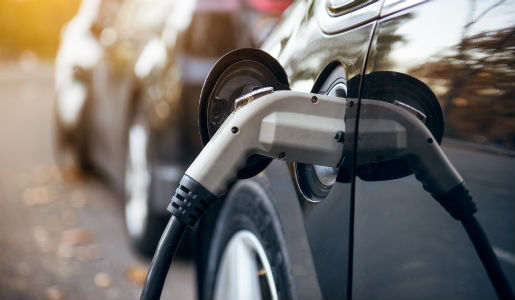
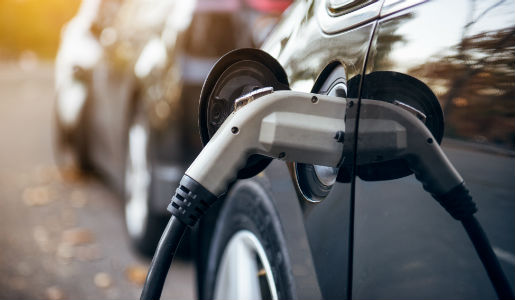
Telford & Wrekin Council aims to support the creation of e a co-ordinated network of charging points for ultra-low emission vehicles to encourage residents to buy them.
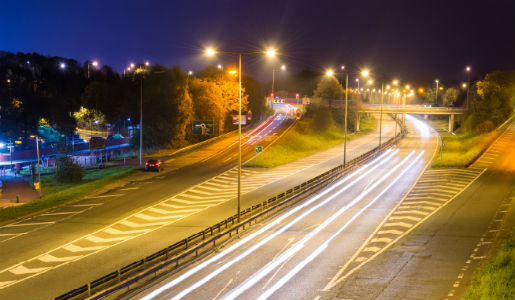
It follows on from the government’s launch of its Road To Zero strategy earlier in the summer.
This includes plans for a massive expansion of green infrastructure, reduction in emissions of existing vehicles and a campaign to drive the uptake of zero emission cars, vans and trucks.
The council’s cabinet is being asked to approve a borough-wide strategy for ultra-low emission vehicles when it meets on September 13.
Registrations of electric cars rose to 4,000 per month during 2017 and it is expected that nearly all cars and vans will be zero emissions by 2050.
This rise is likely to lead to an increased demand in public charging points despite the expectation that most electric car owners will charge their vehicle at home overnight.
An enhanced public charging network will enable electric car owners who do not have access to off street parking to charge, while also allowing for longer journeys and address concerns about the range of such vehicles.
The proposed strategy aims to enable residents, visitors and businesses to use electric vehicles through ensuring a reliable, safe and convenient public charging network.
There are currently 18 charge point devices hosting 31 connection sockets at 11 different locations in Telford and Wrekin. The latest vehicle statistics held by the Department for Transport show that there are 172 ultra-low emission vehicles licensed in the borough.
Birmingham has the highest number of electric cars in the region with 1.93 per cent of vehicles being ultra-low emission. For Telford and Wrekin to match this, an additional 1,649 would need to be licensed – demonstrating the need for more investment in charging infrastructure.
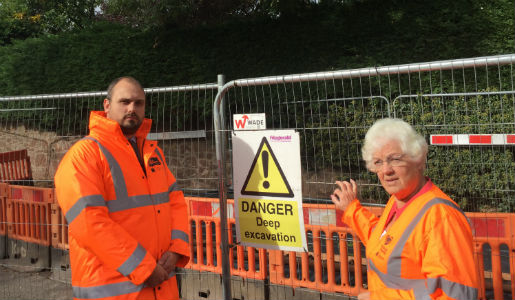
Councillor Hilda Rhodes, Telford & Wrekin Council’s cabinet member for Transport, Roads and Broadband, said: “The proposed strategy is accompanied by a comprehensive and robust action plan.
“This plan identifies funding opportunities, possible charging locations and outlines plans to integrate provision for ultra-low emission vehicles in the council’s wider sustainable transport agenda.
“This strategy is clearly needed in the wake of the government’s announcement and the anticipated rise in ownership of electric cars.”