Food recycling service update, 7 September 2020
Our recycling and waste contractor Veolia will stop providing free caddy liners to all households, as it is no longer sustainable for them to do so.
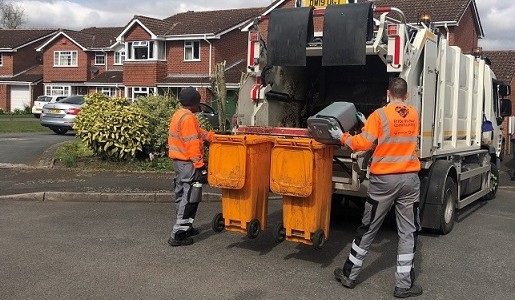
Veolia, opted to give away free liners to encourage as many people as possible to recycle their food waste. However, due to high demand for liners, with almost 10 million individual liners distributed in less than a year, it is unsustainable for Veolia to continue to provide them free of charge to all households.
Households with their own outside caddies that participate in the service will be provided with a final free roll of 52 liners, which should last them another 6-12 months.
Veolia crews will leave a hanger on caddies presented during the week of 7 September explaining that free liners will no longer be provided. The hanger will advise residents to present their food caddies for collection during the week of 14 September if they would like to receive a final roll of 52 caddy liners.
After using up the last of their free liners, households have options. They can line their caddy with newspaper, junk mail or kitchen roll, place food directly in their caddy or buy their own biodegradable caddy liners, which are widely available in supermarkets and discount shops.
Households that share a communal outdoor food wheelie bin (e.g. flats) will continue to receive free caddy liners to transport their food waste to their communal bin. New build properties will also receive a free roll of caddy liners with their containers.
The news may frustrate some people, but it is hoped that everyone continues to recycle their food waste. Recycling is one of the best ways we can have a positive impact on our planet and recycling food plays a vital part in helping the borough reduce CO2 emissions.
From September 2019, when the service started, until June 2020, 4,762 tonnes of food waste have been collected, producing enough energy to boil 19 million kettles and creating over 6,000 tonnes of fertiliser for farms. The CO2 saving for this period is 605 tonnes, which represents an estimated annual saving in excess of 1,000 tonnes, net of transport.
More information about the food waste service here.